
Yes, smart meters are now compulsory in NSW. The national rollout aims to replace every legacy meter across the National Electricity Market with a digital smart meter by November 2030, and NSW homeowners can no longer opt out of installation.
The rollout is accelerating quickly, and many Central Coast, Newcastle, and Hunter Valley properties will need electrical upgrades before a new meter can go in. Restore Electrical is an authorised Level 2 ASP handling smart meter installations, switchboard upgrades, and defect rectifications across the region. This guide covers the new rules, your rights, what it costs if your property isn’t ready, and when you need a licensed electrician.

The NSW Smart Meter Rollout Is Now Mandatory
Smart meters in NSW are no longer optional. The Australian Energy Market Commission finalised rules in November 2024 requiring every property connected to the National Electricity Market to receive a smart meter by 30 November 2030. According to the AEMC, the accelerated rollout commenced in December 2025 with the aim of delivering benefits sooner through economies of scale and coordinated geographical deployment.
In my experience working across the Central Coast and Hunter Valley, I’ve already seen a sharp increase in homeowners receiving installation notices from their retailers. By mid-2024, 46% of NSW households already had smart meters installed, according to the Energy and Water Ombudsman NSW (EWON). The remaining 54% will be contacted progressively between now and 2030. The frustrating part? Many of those homeowners don’t realise their property may not be ready for the upgrade.
What the New Rules Actually Mean for NSW Homeowners
The rule changes affect every household and small business connected to the Ausgrid or Endeavour Energy network. Here’s what you need to understand:
You Can No Longer Opt Out
As of 1 June 2025, the option to refuse a smart meter installation was removed. According to the Australian Energy Regulator (AER), if your electricity retailer contacts you to arrange installation, you cannot refuse. This applies to all properties in NSW, Queensland, South Australia, Tasmania, and the ACT.
Your Retailer Will Contact You
Your energy retailer is responsible for scheduling the meter exchange. They must provide at least four business days’ notice before a meter technician attends your property. You don’t need to organise the installation yourself.
The Meter Exchange Itself Is Free
Retailers cannot charge you upfront for a standard meter exchange completed as part of the Legacy Meter Replacement Plan. The meter swap itself costs you nothing. What can cost money is getting your property ready for it.
Site Defects Are the Homeowner’s Responsibility
When a meter technician arrives and finds a problem with the switchboard, meter board, wiring, or access, they issue a site defect notice. Fixing that defect is the homeowner’s responsibility and cost. This is where many Central Coast and Hunter Valley homeowners are caught off guard.
More: Why a Level 2 Electrician Is Essential for Mains and Metering Work
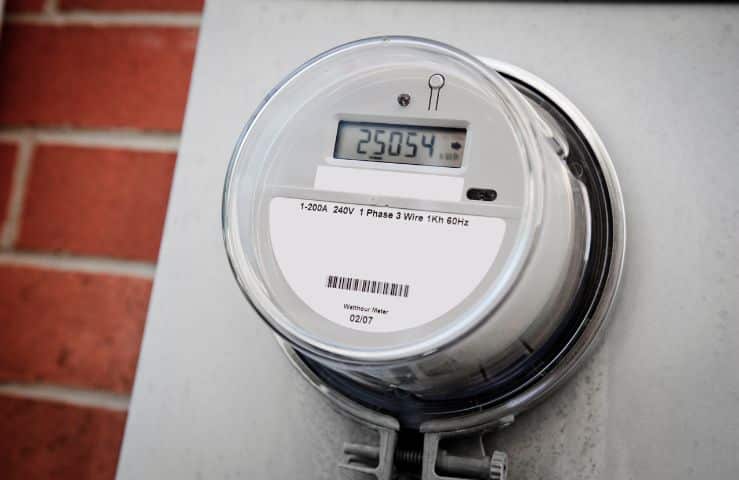
Common Site Defects That Block Smart Meter Installation
A site defect is the most common reason a smart meter installation fails on the first visit. The meter technician inspects the meter board, switchboard, and wiring before swapping the meter. If anything doesn’t meet current standards, they leave a defect notice, and the installation is postponed until the issue is resolved.
These are the site defects I see most often across the Central Coast, Newcastle, and Hunter Valley:
- Meter board too small for the new meter. Older properties in Gosford, Woy Woy, and Charlestown often have compact timber or metal meter boards that were sized for the original analogue meter. Smart meters are physically larger and may not fit without a meter board replacement.
- Asbestos present in the meter board or switchboard. Homes built before the mid-1980s across suburbs like Wallsend, Maitland, and Bateau Bay frequently have asbestos-containing meter panels. The technician won’t touch it. A licensed asbestos assessor and electrician must handle the removal and replacement.
- Non-compliant wiring or switchboard. If the existing consumer mains, earthing, or switchboard wiring doesn’t meet current AS/NZS 3000 standards, the meter can’t be installed. This is common in homes that haven’t had electrical work done in 30 or more years.
- No safe access to the meter. Overgrown vegetation, locked enclosures without key access, or meters located inside a locked building can all trigger a failed installation visit. A wasted truck visit may incur a fee.
- Missing or faulty service protection device. Some older meter boards lack a service protection device (SPD), or the existing one has deteriorated. Replacing an SPD is Level 2 ASP work and can’t be done by a standard electrician.
What Site Defect Repairs Cost in NSW
Site defect repair costs vary significantly depending on what the technician finds. This table gives you a realistic range based on what I regularly quote across the Central Coast and Newcastle region:
| Site Defect | Typical Fix Required | Estimated Cost Range |
| Meter board too small | Replace the meter board with a compliant panel | $400 – $800 |
| Asbestos meter panel | Asbestos removal plus new meter board | $800 – $2,000 |
| Non-compliant switchboard | Full switchboard upgrade with RCBOs | $1,200 – $2,500 |
| Undersized consumer mains | Upgrade the mains cable from the switchboard to the point of attachment | $800 – $1,800 |
| Missing service protection device | Install or replace SPD (Level 2 ASP work) | $300 – $600 |
| Multiple defects combined | Meter board, switchboard, and mains upgrade | $2,000 – $3,500 |
These figures are indicative. Every property is different, and a qualified Level 2 electrician will provide an exact fixed-price quote after inspecting your site. Worth noting: tenants are not responsible for these costs. According to EWON, the landlord must pay costs and charges for repair, maintenance, or other work required to facilitate the proper installation or replacement of an electricity meter.
Why Older Central Coast and Hunter Valley Homes Are Most Affected
The smart meter rollout hits hardest where housing stock is oldest. Location matters because the age of your property directly determines how likely you are to receive a site defect notice:
- Pre-1980 housing concentration. Suburbs like Gosford, Ettalong Beach, Woy Woy, Umina Beach, and The Entrance have high concentrations of homes built between the 1950s and 1970s. These properties typically have original timber meter boards, ceramic fuse switchboards, and undersized consumer mains that won’t pass a modern compliance check.
- Coastal humidity and corrosion. Meter boards and switchboard terminals in Terrigal, Avoca Beach, and Copacabana experience accelerated corrosion from salt air exposure. A corroded meter board is a common site defect that requires full replacement.
- Ausgrid network coverage. According to the Australian Government’s energy department, over 56% of meters in the National Electricity Market are already read remotely. The Central Coast and Hunter Valley sit within the Ausgrid distribution area, which serves over 1.8 million customers. Homes in this region are actively being scheduled for meter exchanges.
- Rapid population growth. The Central Coast’s population grew by 5.8% between 2016 and 2021. Many older properties now carry electrical loads they were never designed for, making a switchboard upgrade during the meter exchange both necessary and beneficial.
After completing a meter board replacement and switchboard upgrade for a homeowner on the Central Coast, the team received this feedback: “Thanks for the great job. Everything was very efficient well priced and left spotless. Very friendly, trustworthy company. Highly recommended. Will use again.” Miriam Kjelby. Restore Electrical handles these combined upgrades regularly, keeping the process straightforward and the pricing transparent.
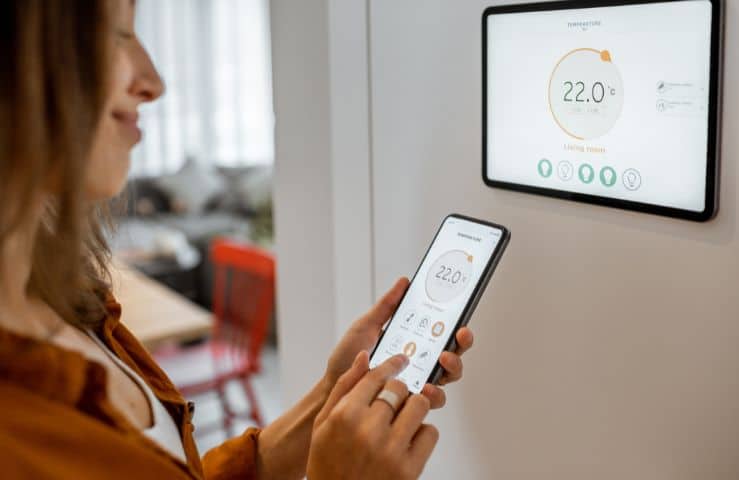
How the Smart Meter Installation Process Works
Understanding the process helps you prepare and avoid unexpected delays:
Step 1: Retailer Sends a Notification
Your electricity retailer will contact you at least four business days before the scheduled meter exchange. They may also send a notification up to 60 business days in advance for Legacy Meter Replacement Plan installations.
Step 2: Technician Attends Your Property
A qualified meter technician from a Metering Service Provider (MSP) will attend to swap the meter. According to the NSW Government, all meter installation work in NSW must be carried out by licensed electricians. The process typically takes 30 to 90 minutes and involves a brief power interruption.
Step 3: Site Inspection Before Installation
Before touching the meter, the technician checks the meter board, switchboard, wiring condition, and access. If everything meets current standards, the swap proceeds. If not, you receive a site defect notice.
Step 4: Defect Rectification (If Required)
If a defect is found, you’ll need to engage a licensed electrician to fix the issue. For work involving the meter board, consumer mains, or service protection devices, you’ll need a Level 2 Accredited Service Provider. Standard electricians aren’t authorised to work on the supply side of the meter. Once repairs are complete, your electrician submits a Certificate of Compliance for Electrical Work (CCEW) and the retailer schedules a return visit.
Step 5: Meter Exchange and Testing
On the return visit, the technician installs the new smart meter, tests the connection, and confirms it’s communicating with the network. You’ll receive confirmation from your retailer once the meter is active.
More: Damaged Service Lines: What It Means and How to Fix It
Smart Meters and Your Electricity Tariff: What’s Protected
One of the biggest concerns around the NSW smart meter rollout is tariff changes. Smart meters enable time-of-use and demand tariffs that charge different rates depending on when and how much electricity you use. Not everyone benefits from these pricing structures.
The good news? Consumer protections now exist. Since December 2025, retailers cannot change their retail tariff structure for two years after a smart meter is installed without your explicit informed consent. According to NSW Fair Trading, the Gas and Electricity (Consumer Safety) Regulation 2018 governs the safety requirements for meter installation work.
That said, EWON’s complaint data shows the rollout hasn’t been smooth. Estimated bill complaints now make up around 13% of all electricity complaints to EWON, up from 8.7% in 2017. If you’re concerned about tariff changes after your smart meter goes in, contact your retailer and confirm in writing that your current tariff will remain unchanged.
Smart Meters and Solar: What Homeowners Should Know
If you have rooftop solar or you’re planning to install it, the smart meter rollout directly affects your system:
- Smart meters measure solar exports. Your legacy meter may not accurately record the electricity your solar panels send back to the grid. A smart meter records both consumption and export in 30-minute intervals, which means you get accurate credit for what you generate.
- Solar installations require a Type 4 smart meter. If you’re installing a new solar system, the grid connection process requires a smart meter. If you still have a legacy meter, it will be upgraded as part of the solar installation.
- Solar and tariff changes. Some customers who had solar installed at the same time as a smart meter found themselves moved from a flat tariff to a cost-reflective tariff without a full explanation. The two-year tariff protection now in place should reduce this risk.
- Battery storage compatibility. Smart meters support households with battery systems by recording detailed usage patterns. If you’re considering battery storage, having a smart meter already installed simplifies the connection process.
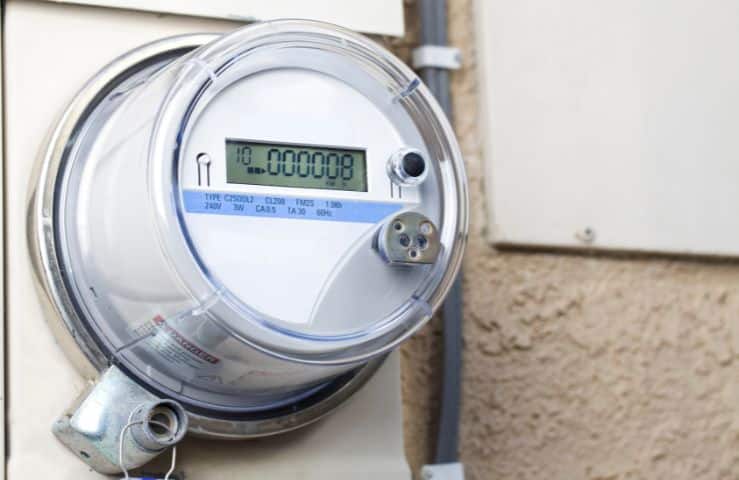
How to Prepare Your Property Before the Meter Technician Arrives
You can avoid delays and unexpected costs by taking a few steps before your scheduled meter exchange:
Check Your Meter Board Condition
Look at the meter board mounted on the outside of your property. If it’s timber, showing signs of rot or corrosion, or has visible asbestos material, it will likely need replacing.
Ensure Clear Access
The meter technician needs unobstructed access to the meter and switchboard. Trim any vegetation, remove stored items, and make sure any locked gates or enclosures can be opened on the day.
Ask About Your Switchboard Age
If your switchboard still has ceramic fuses instead of circuit breakers, it’s overdue for an upgrade. A smart meter installation is a practical trigger to bring the whole system up to current standards. Contact a local Central Coast electrician to have it assessed.
Get a Pre-Installation Inspection
The most effective way to avoid a failed first visit is to have a licensed electrician inspect your meter board, switchboard, and mains before the technician arrives. This lets you fix any defects on your schedule and budget, rather than being caught off guard. A pre-installation inspection identifies issues early, and any defect rectification can be completed before the meter technician returns.
When You Need a Level 2 Electrician for a Smart Meter
Not all smart meter-related work can be done by a standard licensed electrician. Anything on the supply side of the meter, between the meter and the street, requires a Level 2 Accredited Service Provider (ASP). This includes:
- Replacing or upgrading the consumer mains
- Installing or replacing a service protection device
- Meter board replacements that involve supply-side connections
- Upgrading from single-phase to three-phase power as part of a meter upgrade
- Disconnect and reconnect services for meter panel work
A standard electrician can handle switchboard upgrades and internal wiring. But for anything involving the mains or meter connections on the Ausgrid or Endeavour Energy network, a Level 2 ASP is required by law.
Areas We Service
Restore Electrical provides smart meter installation support, switchboard upgrades, and defect rectification across the Central Coast, Newcastle, and Hunter Valley, includingGosford, Terrigal, Umina Beach, Woy Woy, Ettalong Beach, Bateau Bay, The Entrance, Erina, Kariong, Avoca Beach, Copacabana, Charlestown, Wallsend, Newcastle, Maitland, Lake Macquarie, Merewether, Hunter Valley, Cessnock, Raymond Terrace, and surrounding areas.

Get Your Property Ready for the NSW Smart Meter Rollout
Don’t wait for a site defect notice. Call Restore Electrical on 02 4006 8326 for a pre-installation inspection and fixed-price quote. Licensed Level 2 ASP electricians, same-day service, fixed upfront pricing, and a lifetime labour warranty on all work. $50 off your first service.
Frequently Asked Questions
Are smart meters compulsory in NSW?
Yes. Since June 2025, NSW homeowners can no longer opt out. The national rollout aims to replace all legacy meters by November 2030, and your electricity retailer will schedule the installation.
Do I have to pay for a smart meter in NSW?
The meter exchange itself is free under the Legacy Meter Replacement Plan. However, if the technician finds a site defect, the homeowner pays for the rectification work needed before the meter can be installed.
What happens if my switchboard needs upgrading?
The meter technician will issue a site defect notice outlining the problem. You then engage a licensed electrician to complete the upgrade. For mains or meter board work on the Central Coast, a Level 2 ASP is required.
Can a smart meter increase my electricity bill?
A smart meter itself doesn’t change your bill. However, if your tariff is changed to a time-of-use or demand structure, your costs may shift. Since December 2025, retailers need your consent before changing tariffs for two years after installation.
Who pays for site defect repairs if I’m renting?
The landlord is responsible. Tenants are not liable for the cost of repairs, maintenance, or other work required to allow the smart meter to be installed at the property.
Can I choose a Type 4A meter instead of a Type 4?
Yes. A Type 4A meter is a smart meter without remote communication enabled. You may request one if you have concerns about data transmission. Contact your retailer to discuss the option before installation day.


